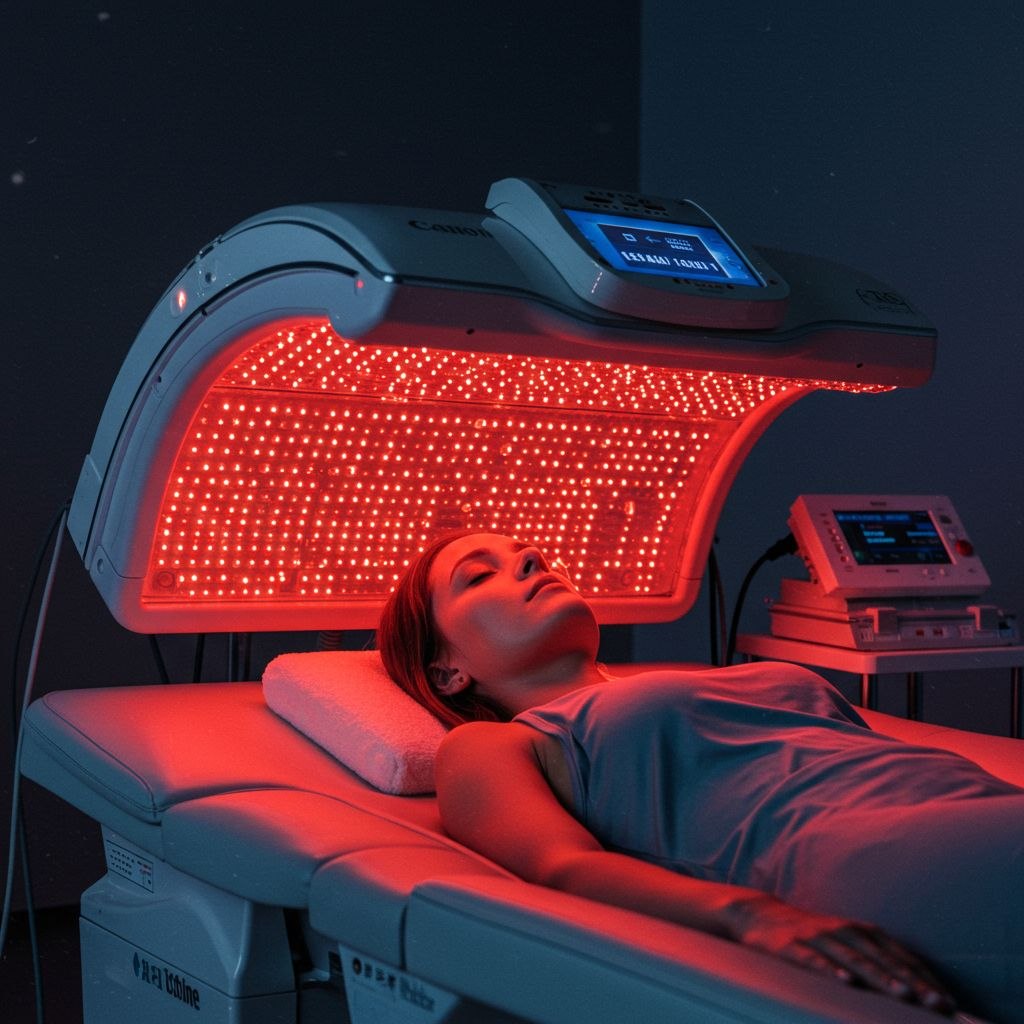
Photobiomodulation therapy, commonly known as red light therapy or low-level light therapy, represents one of the most exciting frontiers in non-invasive wellness technology. This scientifically-proven treatment uses specific wavelengths of red and near-infrared light to stimulate cellular function, promote healing, and reduce inflammation at the deepest levels of human biology. Unlike many wellness trends that come and go, photobiomodulation has decades of peer-reviewed research supporting its efficacy for a wide range of health applications.
The Mitochondrial Connection: How Light Fuels Your Cells
To understand photobiomodulation, we must first appreciate the critical role of mitochondria in our cells. Often called the "powerhouses" of cells, mitochondria are responsible for producing ATP (adenosine triphosphate), the energy currency that powers every cellular process in our bodies. When mitochondria function optimally, we experience better energy, faster healing, improved cognitive function, and enhanced overall vitality. Learn more about cellular resonance therapy and how it complements light-based healing.
Photobiomodulation works by delivering specific wavelengths of light (typically 600-700nm for red light and 700-1000nm for near-infrared) that penetrate the skin and are absorbed by cytochrome c oxidase, a key enzyme in the mitochondrial electron transport chain. This absorption triggers a cascade of beneficial cellular responses, essentially "charging" your cells with the energy they need to function optimally. Research published in the Journal of Photochemistry and Photobiology demonstrates how photobiomodulation enhances mitochondrial function and ATP production.
Key Benefits of Photobiomodulation Therapy
1. Enhanced Skin Health and Anti-Aging
Red light therapy has gained significant popularity in skincare for its ability to stimulate collagen production, reduce wrinkles, and improve skin tone. The increased cellular energy promotes faster skin cell turnover and enhanced production of collagen and elastin, the proteins responsible for skin's firmness and elasticity. Studies have shown significant improvements in fine lines, skin texture, and overall complexion with regular use. Unlike invasive procedures or harsh chemical treatments, photobiomodulation offers a gentle, natural approach to skin rejuvenation.
2. Accelerated Muscle Recovery and Reduced Inflammation
Athletes and fitness enthusiasts have embraced photobiomodulation for its remarkable ability to speed muscle recovery and reduce exercise-induced inflammation. The therapy helps reduce oxidative stress in muscle tissues, decreases inflammatory markers, and promotes faster repair of micro-tears that occur during intense exercise. When combined with far infrared therapy and vibration therapy, the recovery benefits are amplified. Research from NIH studies confirms that photobiomodulation significantly reduces muscle fatigue and enhances performance.
3. Natural Pain Relief and Joint Health
For individuals suffering from chronic pain, arthritis, or joint discomfort, photobiomodulation offers a drug-free alternative that addresses pain at its source. The therapy reduces inflammation in joints and tissues, increases circulation to affected areas, and promotes the body's natural healing processes. Many users report significant reductions in pain and improved mobility after consistent treatment. The Arthritis Foundation recognizes light therapy as a promising complementary treatment for managing arthritis symptoms.
4. Improved Sleep and Circadian Rhythm Regulation
Exposure to red and near-infrared light, particularly in the morning or early afternoon, can help regulate the body's circadian rhythms and improve sleep quality. The therapy supports the production of melatonin, the hormone responsible for healthy sleep-wake cycles, and helps reset the body's internal clock. Users often report falling asleep more easily, experiencing deeper sleep, and waking more refreshed. This benefit is enhanced when combined with negative ion therapy, which also promotes relaxation and stress reduction.
5. Cognitive Enhancement and Brain Health
Emerging research suggests that photobiomodulation may have neuroprotective effects and could support cognitive function. Near-infrared light can penetrate the skull and reach brain tissue, potentially supporting mitochondrial function in neurons and reducing neuroinflammation. Studies have shown promising results for improving memory, attention, and overall cognitive performance. Research published in Frontiers in Neuroscience explores how photobiomodulation may help protect against cognitive decline and support brain health.
The Science Behind Wavelength Selection
Not all light is created equal when it comes to therapeutic benefits. Different wavelengths penetrate to different depths and trigger distinct biological responses. Red light (620-700nm) is primarily absorbed by surface tissues and is particularly effective for skin health, wound healing, and treating conditions close to the skin surface. Near-infrared light (700-1000nm) penetrates deeper into the body, reaching muscles, joints, and even organs, making it ideal for pain relief, muscle recovery, and systemic benefits.
The most effective photobiomodulation devices deliver both red and near-infrared wavelengths simultaneously, providing comprehensive benefits at multiple tissue depths. This multi-wavelength approach ensures that both surface and deep tissues receive the therapeutic light energy they need for optimal healing and function.
Integration with Chromotherapy and Multi-Modality Wellness
Photobiomodulation works synergistically with other light-based therapies like chromotherapy to create a comprehensive light healing experience. While chromotherapy uses various colors to influence mood, energy, and specific body systems, photobiomodulation focuses on the scientifically-proven benefits of red and near-infrared wavelengths for cellular energy production. Together, these modalities offer both the measurable physiological benefits of photobiomodulation and the holistic, energetic benefits of color therapy.
The Quantum Wellness Bed integrates photobiomodulation principles with other healing modalities, creating a multi-dimensional wellness experience. By combining red light therapy with far infrared heat, cellular resonance, and vibrational therapy, the bed delivers synergistic benefits that exceed what any single modality could achieve alone.
What to Expect from Photobiomodulation Sessions
Photobiomodulation sessions are typically relaxing and comfortable. The treatment is non-invasive, painless, and requires no downtime. Most sessions last between 10-20 minutes, depending on the treatment area and desired outcomes. Unlike ultraviolet light, red and near-infrared light does not damage skin or cause burns, making it safe for regular use.
While some benefits, such as improved mood and reduced muscle soreness, may be noticeable after a single session, the most significant results come from consistent use over time. Many practitioners recommend 3-5 sessions per week for the first month, followed by maintenance sessions 2-3 times per week. As with any wellness practice, consistency is key to achieving and maintaining optimal results.
Conclusion: The Light of Wellness Innovation
Photobiomodulation therapy represents a convergence of ancient wisdom about the healing power of light and modern scientific understanding of cellular biology. As research continues to validate and expand our knowledge of light therapy's benefits, this modality is becoming an essential component of comprehensive wellness programs. Whether used alone or as part of a multi-modality approach like the Quantum Wellness Bed, photobiomodulation offers a safe, effective, and scientifically-grounded path to enhanced cellular health, reduced inflammation, and improved overall well-being. Ready to experience the healing power of light? Contact us today to learn more about our light therapy options or explore our Quantum Wellness Bed technology.